March — April
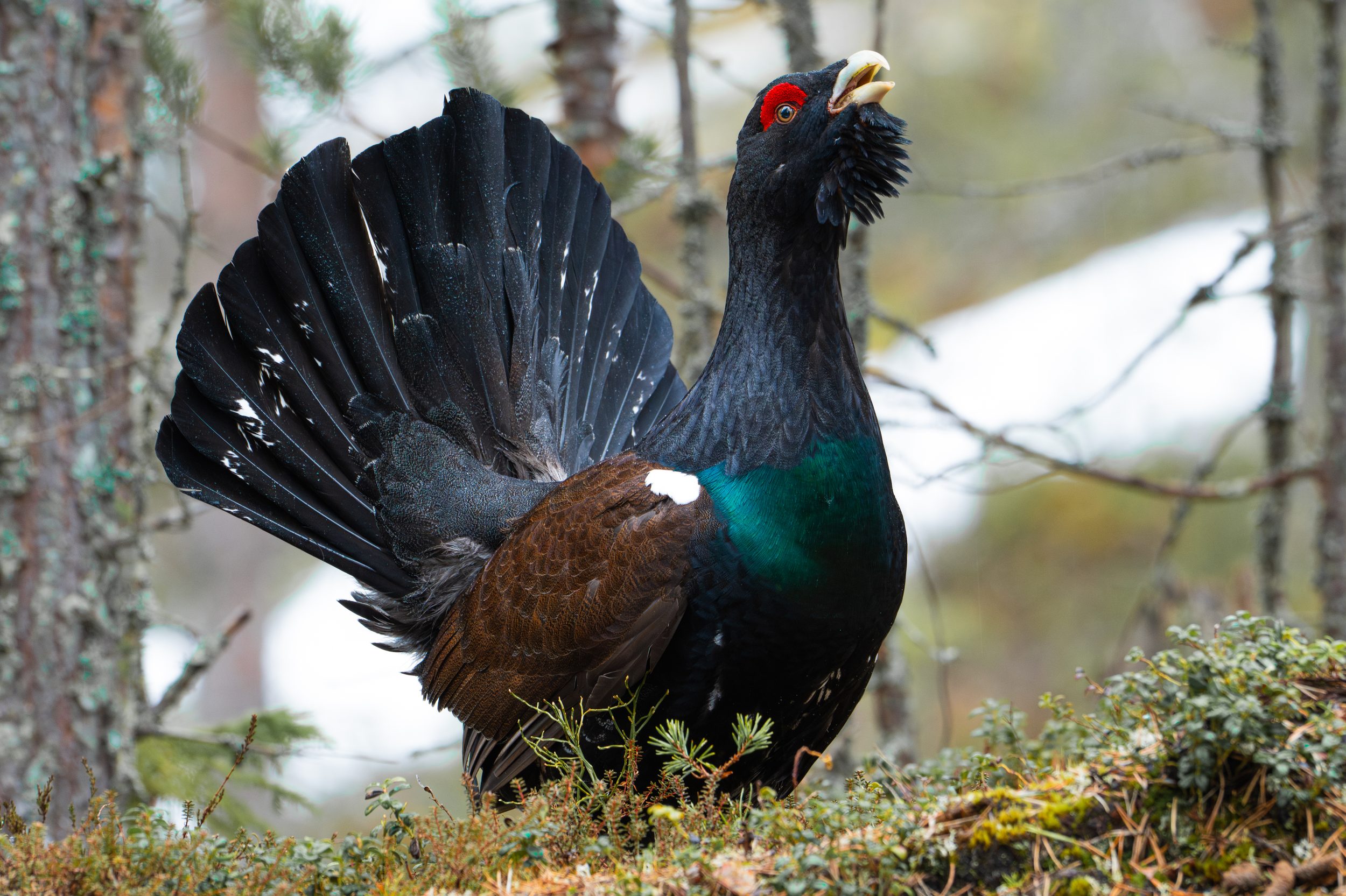
Western Capercaillie
Tetrao urogallus
Lekking display
At dawn, in the silence of the conifer forest, the capercaillie fans its tail and emits its unmistakable call. One of the most ancient spectacles in European nature.
Spelaea · Iberian Wildlife
The natural year does not begin in January. It begins with the first rut, the first arrival, the light that shifts. This almanac follows that rhythm: the pulse that dictates when the capercaillie sings, when the bee-eater returns, when the deer roars. A calendar that is, above all, a way of paying attention.
Tetrao urogallus
Lekking display
At dawn, in the silence of the conifer forest, the capercaillie fans its tail and emits its unmistakable call. One of the most ancient spectacles in European nature.
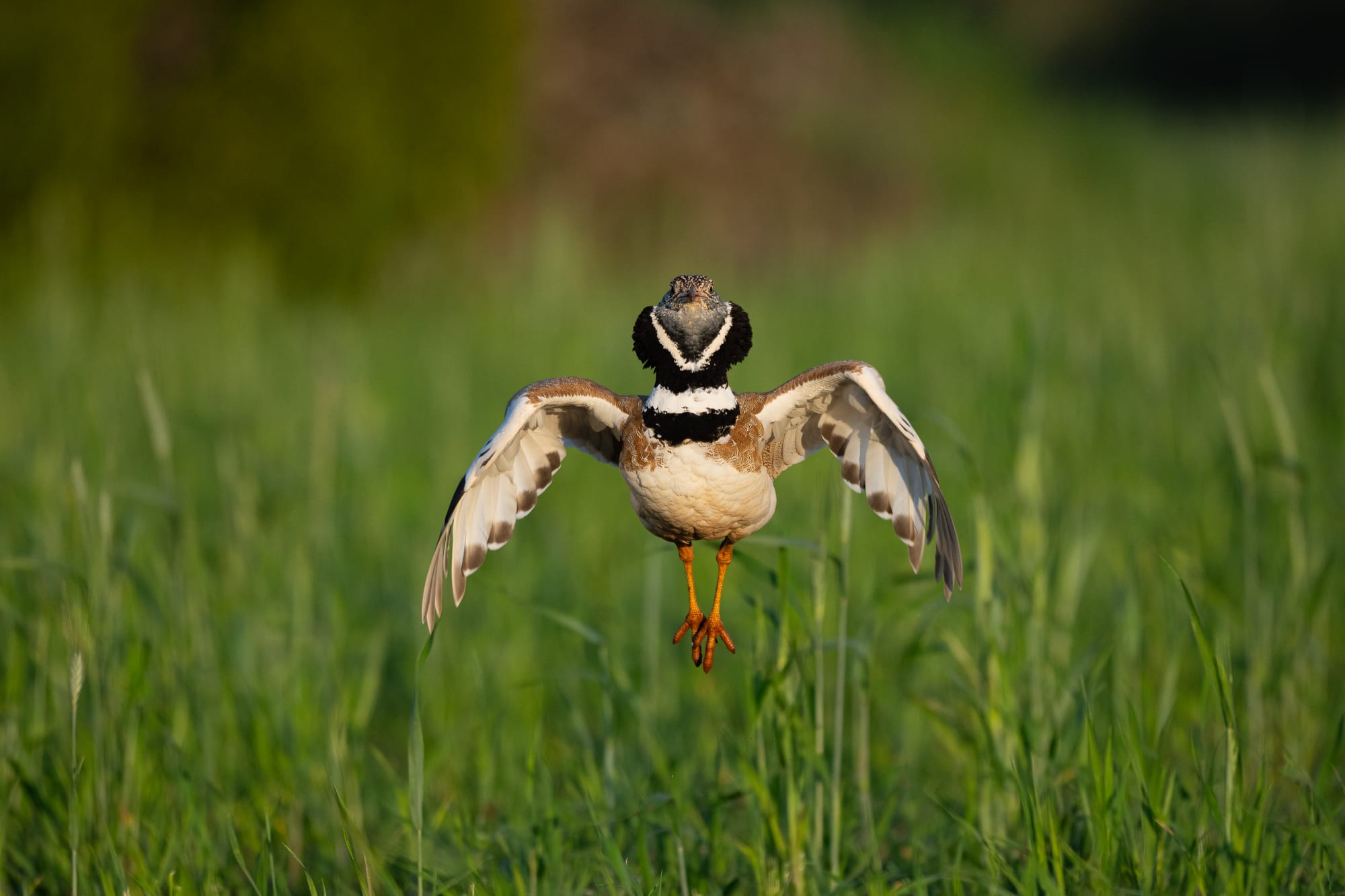
Tetrax tetrax
Courtship display
On the cereal steppes, the male displays its nuptial plumage and emits its distinctive whistle. A threatened species whose survival depends on traditional agricultural landscapes.
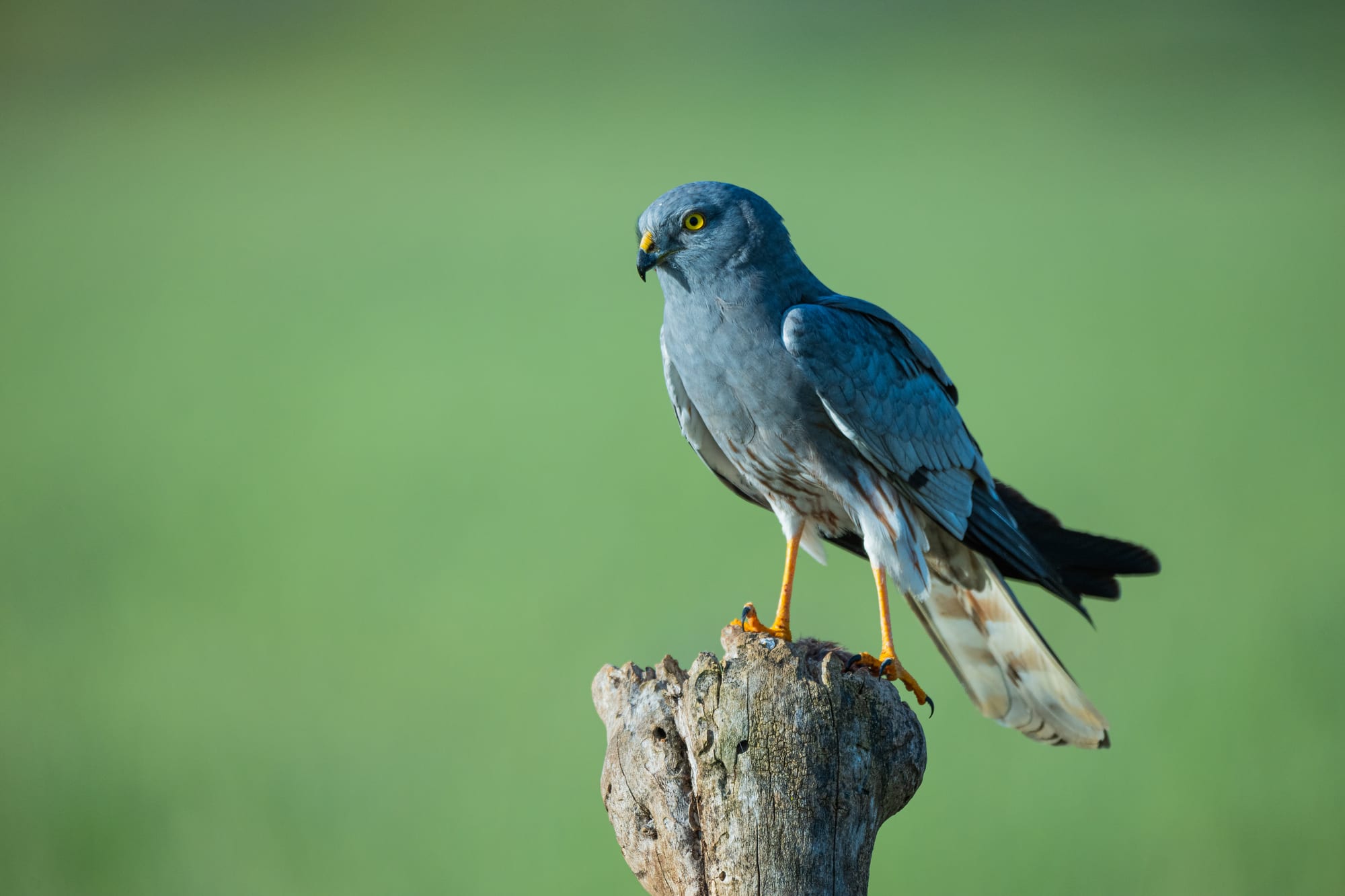
Circus pygargus
Nesting and chicks
Nests on the ground in cereal fields. The male performs spectacular courtship flights and brings prey to the female during incubation.
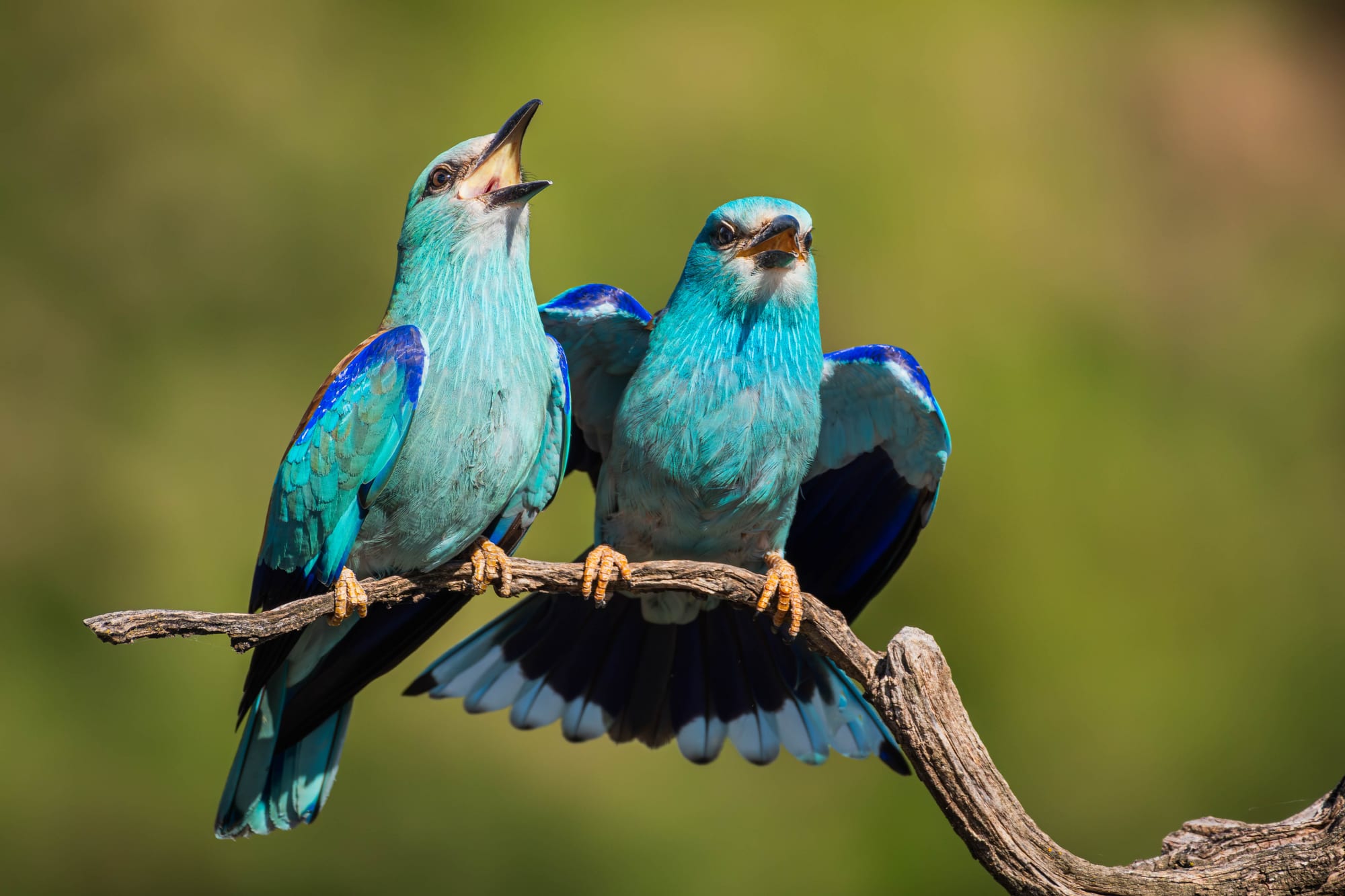
Coracias garrulus
Arrival and breeding
One of Europe's most colourful birds. Arrives from Africa in May and breeds in tree cavities in old dehesa woodland. Its acrobatic courtship flight is unmistakable.
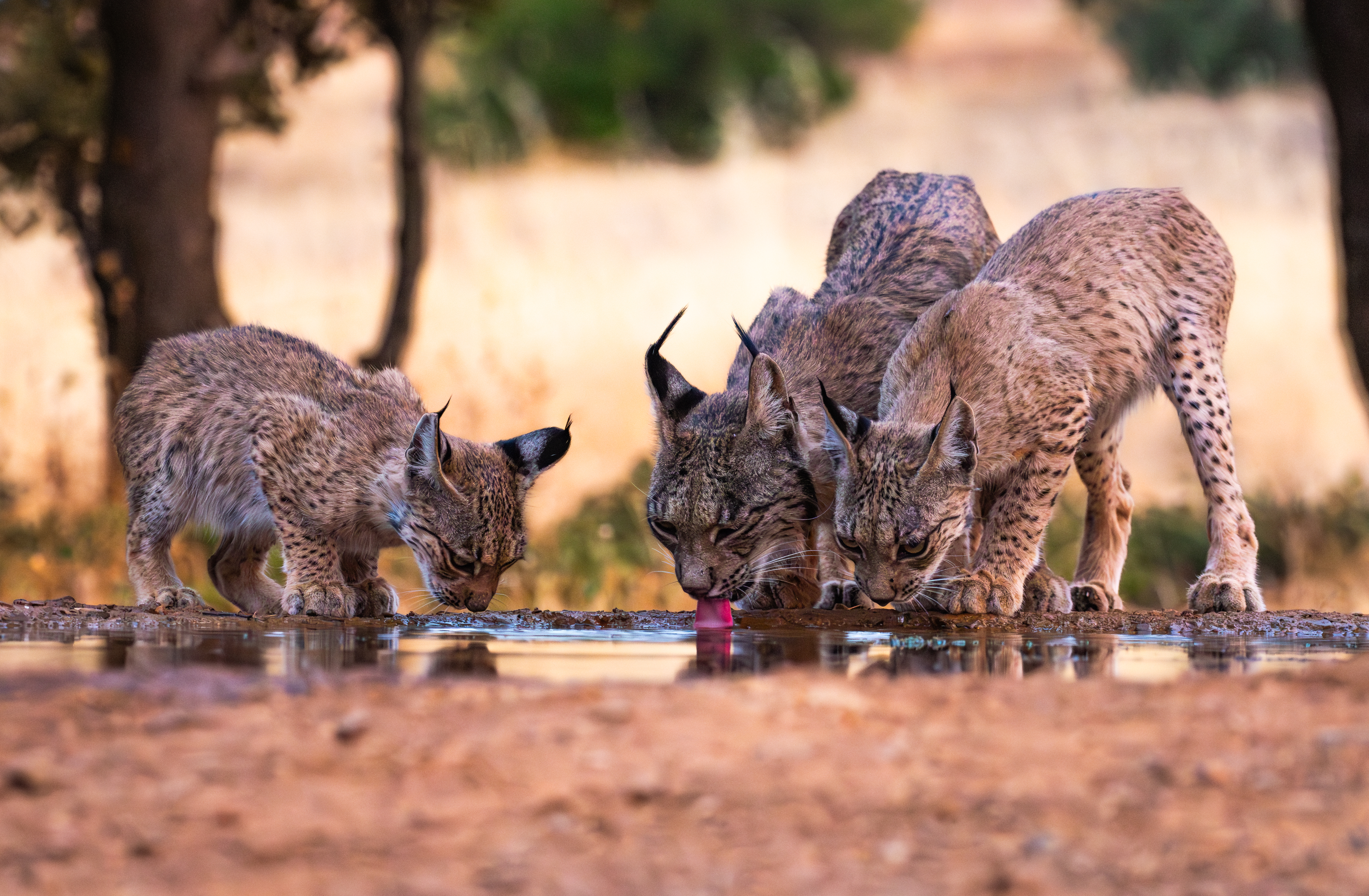
Lynx pardinus
Birth of cubs
The world's most endangered wild cat. Litters are born in spring and cubs accompany the mother through their first year. Its recovery is one of Iberian wildlife's greatest conservation success stories.
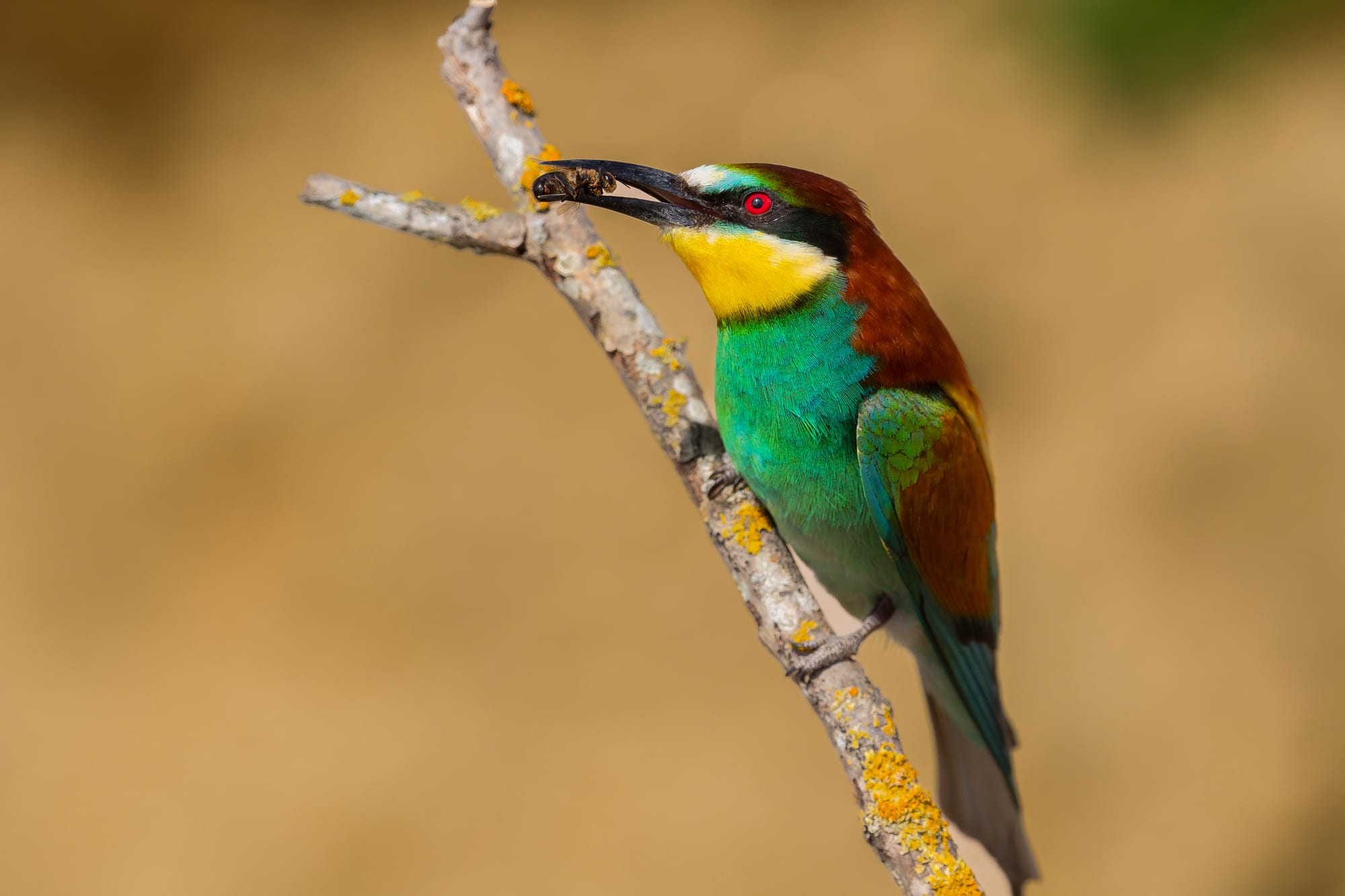
Merops apiaster
Arrival and breeding
One of the Peninsula's most colourful birds. Arrives from Africa in spring and breeds in colonies on sandy banks. Its acrobatic flight and call are unmistakable.
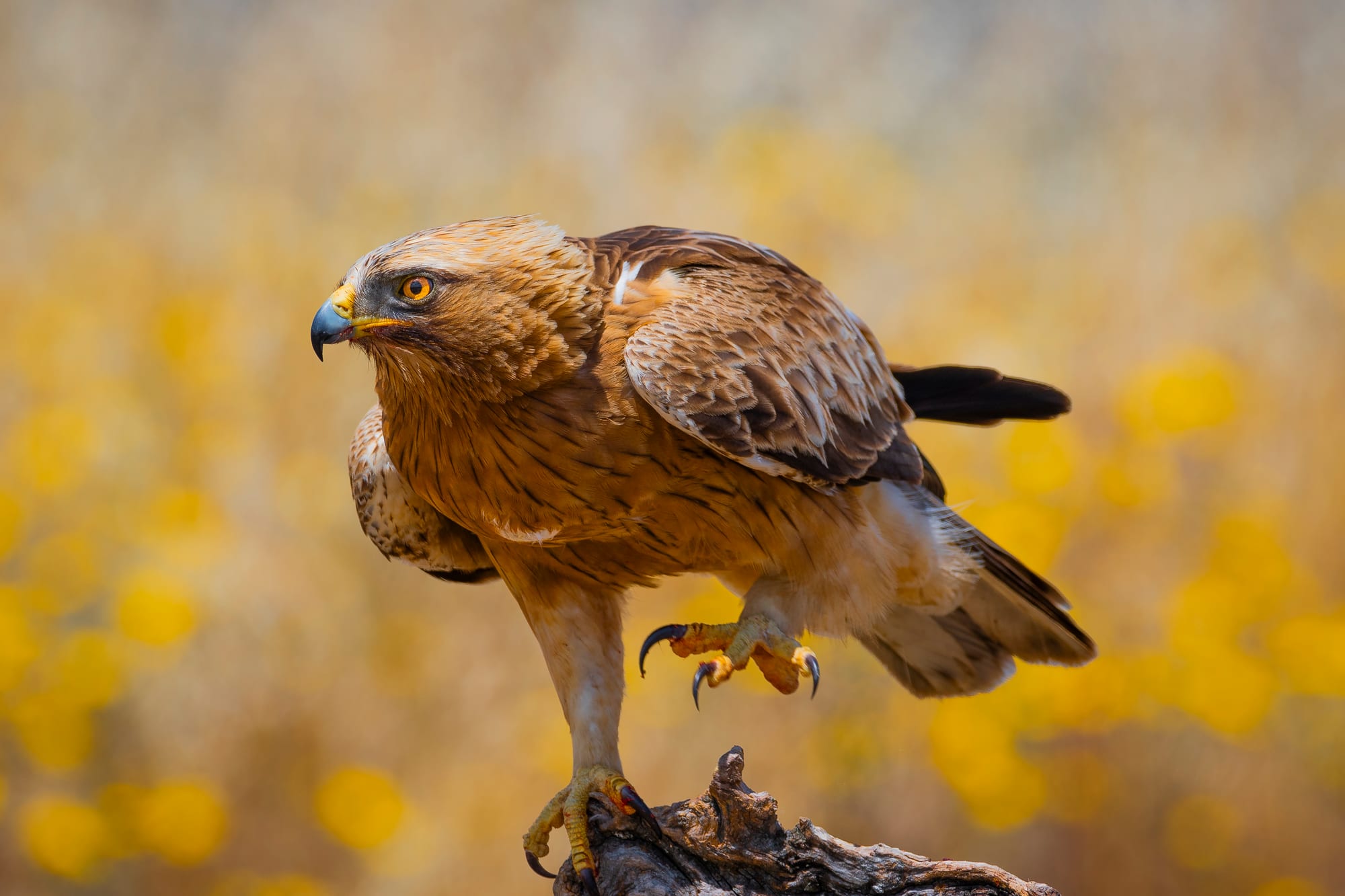
Hieraaetus pennatus
Breeding
A migratory raptor that breeds in Mediterranean forests. Adults teach their chicks to fly before departing for Africa in September.
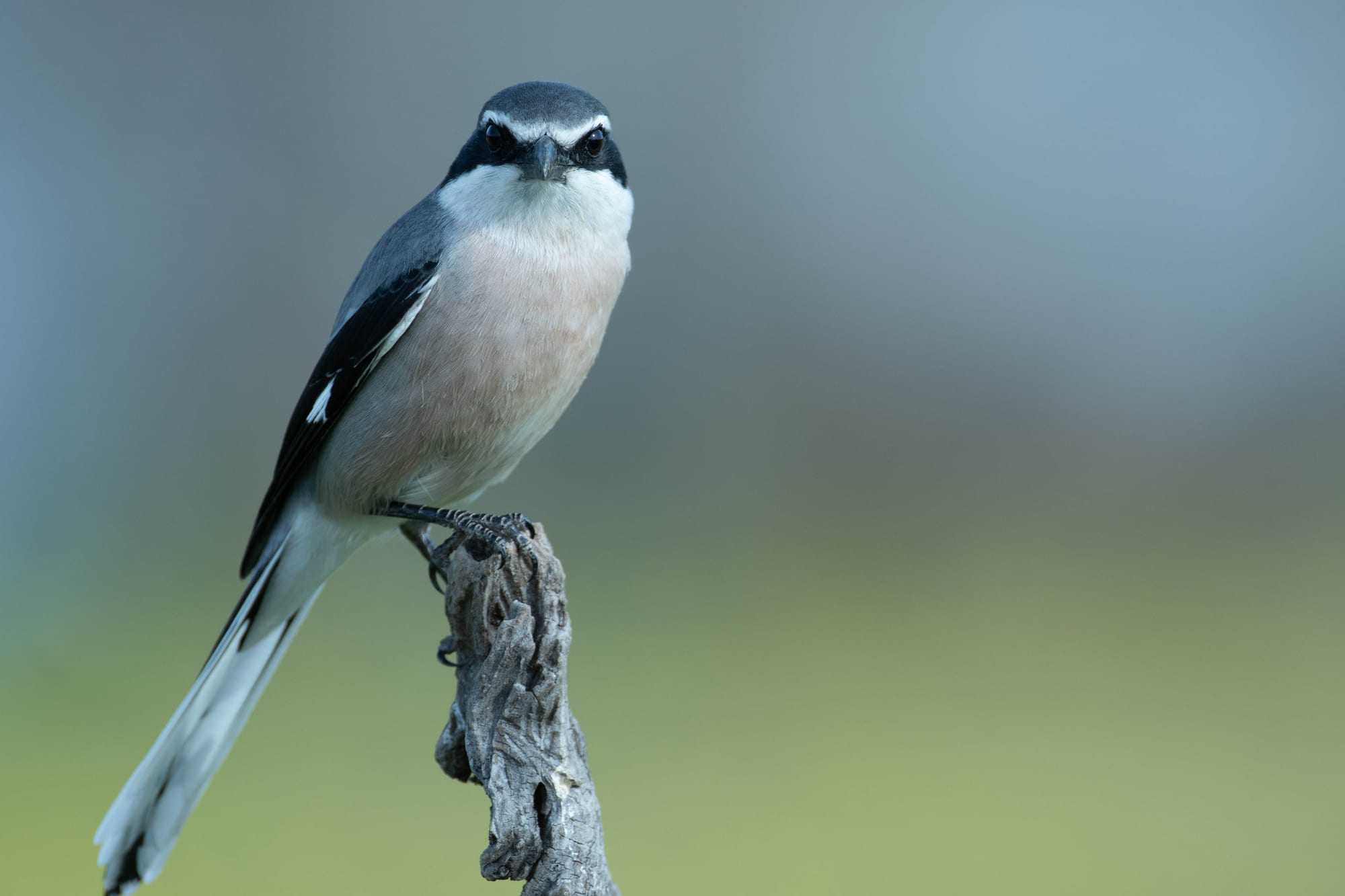
Lanius excubitor
Breeding season
The miniature predator. It hunts insects, lizards and even small birds, impaling them on thorns to consume later — a behaviour as fascinating as it is unsettling.
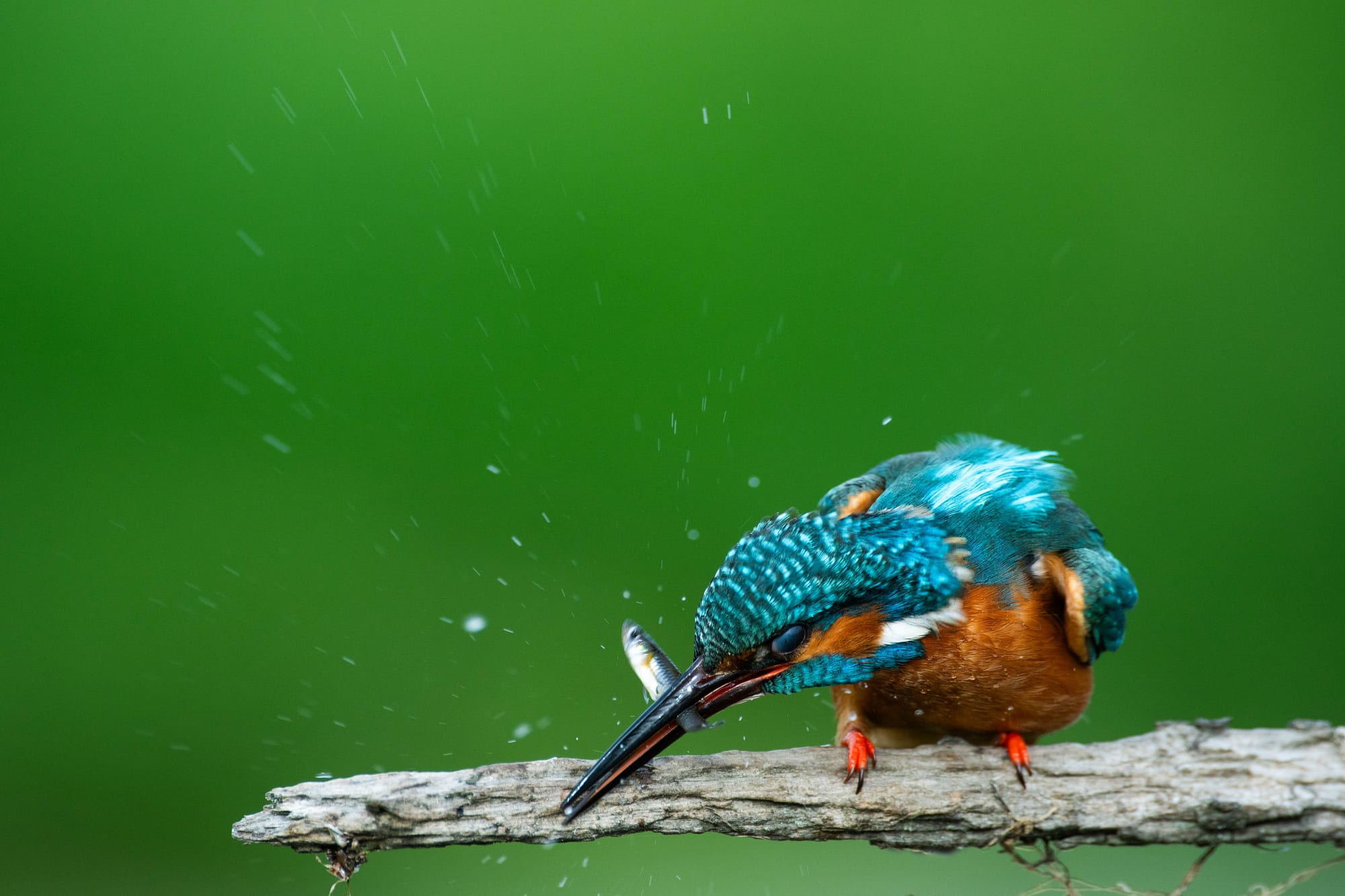
Alcedo atthis
Chicks on the river
The blue and orange flash over the river. It breeds in tunnels dug into riverbanks and can raise up to three broods per season if conditions allow.
Messor barbarus
Nuptial flight
On warm autumn days, queens and males of Messor barbarus take to the air. The event attracts dozens of bird species and is one of the most spectacular phenomena in Iberian entomology.
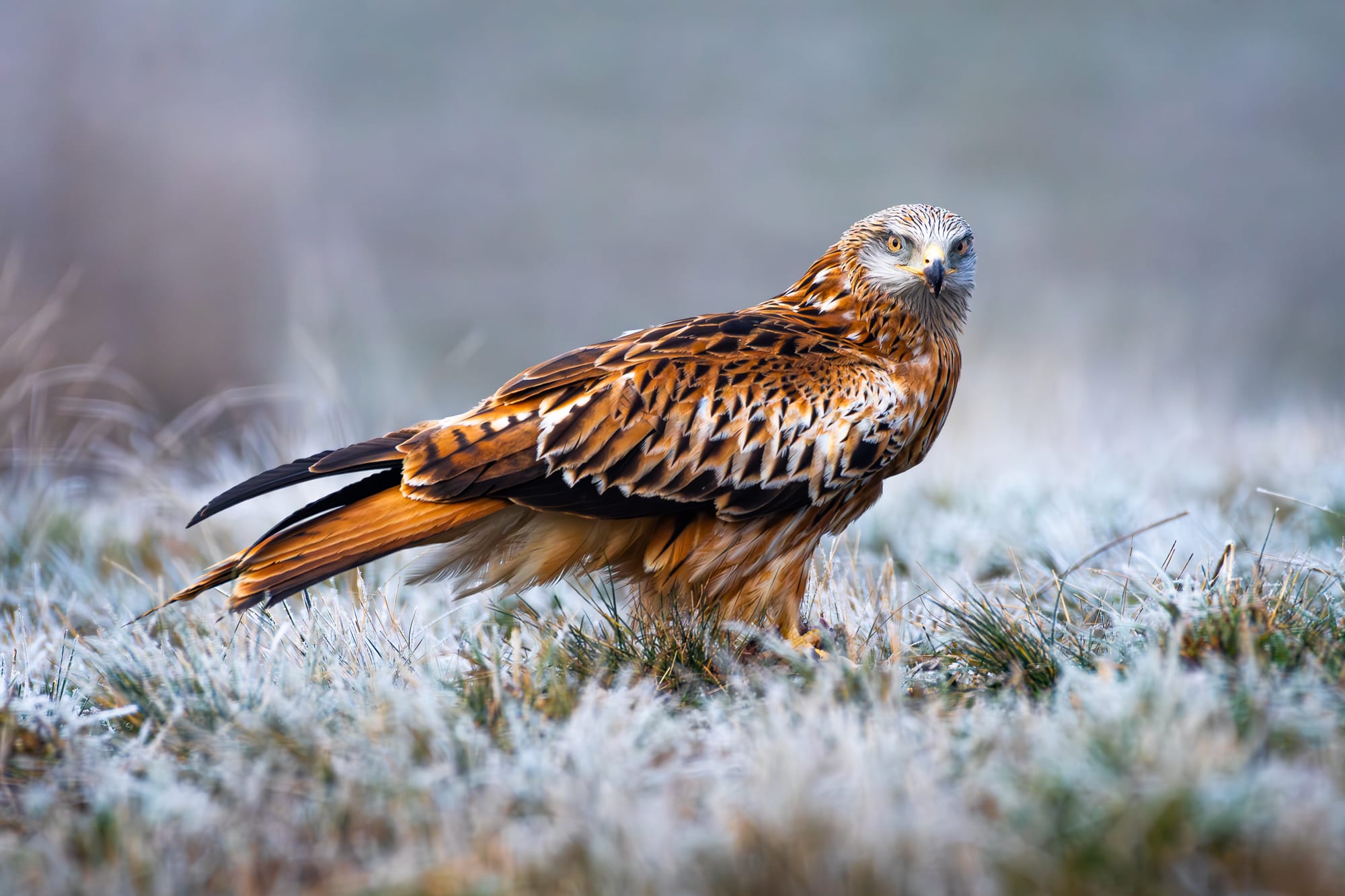
Milvus milvus
Winter gathering
Spain holds the world's largest population. In autumn and winter, communal roosts of thousands of individuals form — a unique spectacle at dusk.
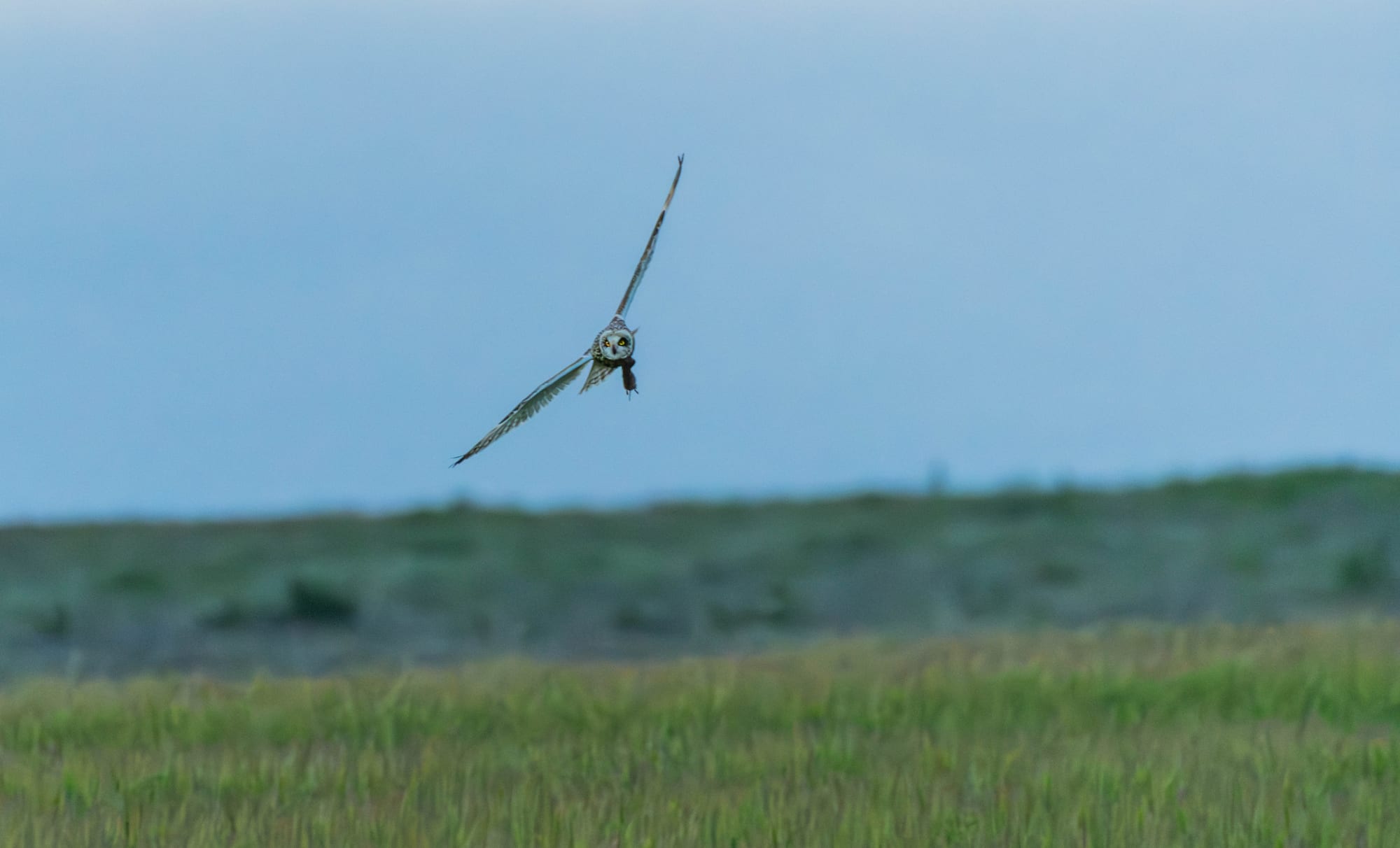
Asio flammeus
Wintering arrival
Arrives from northern Europe to winter on the Peninsula. Unlike other owls, it hunts by day in open country, making it one of the easiest to observe.
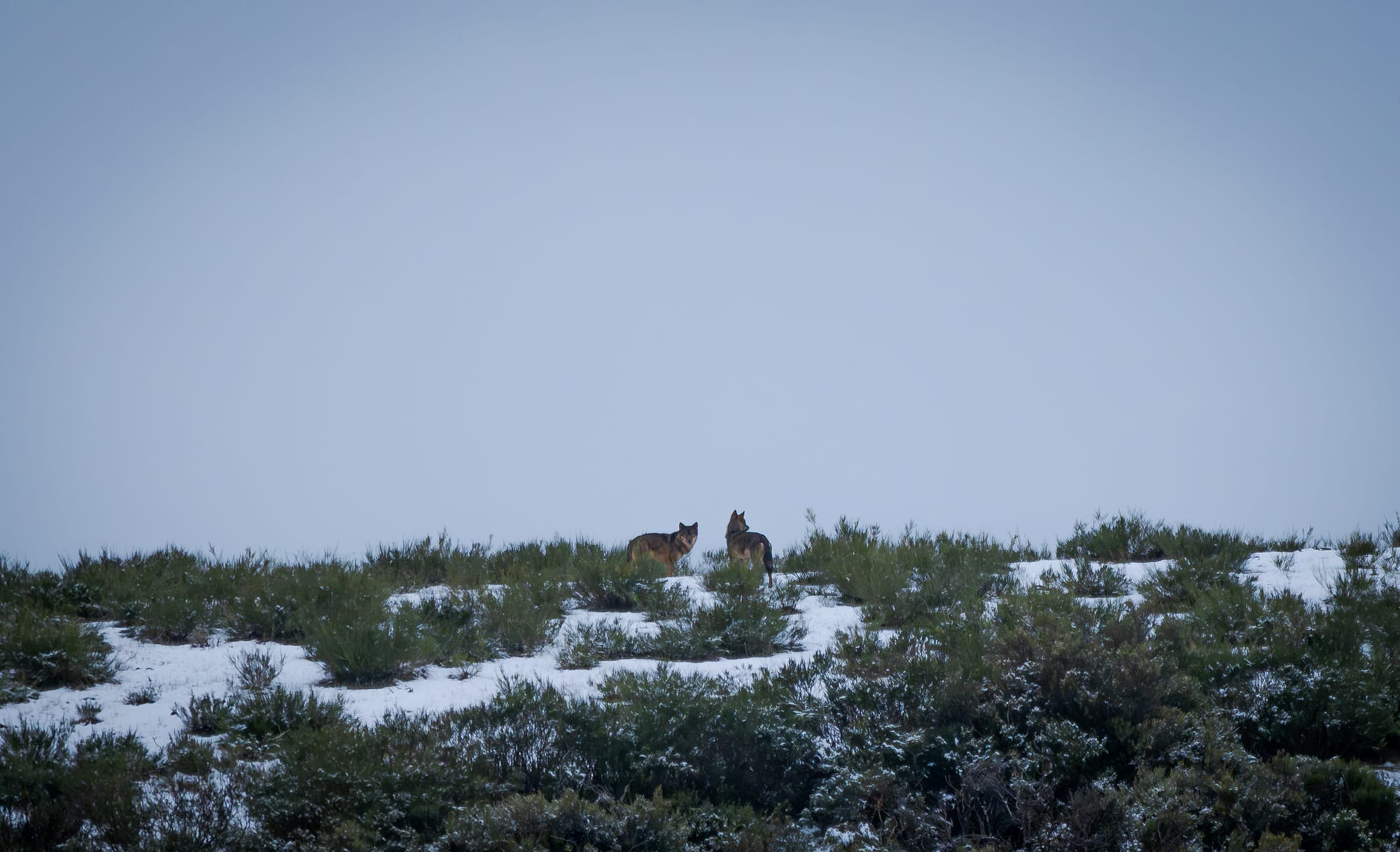
Canis lupus signatus
Pack in movement
With vegetation down, the pack is more visible. Territories are actively defended and nocturnal howling marks the presence of the Peninsula's most emblematic predator.
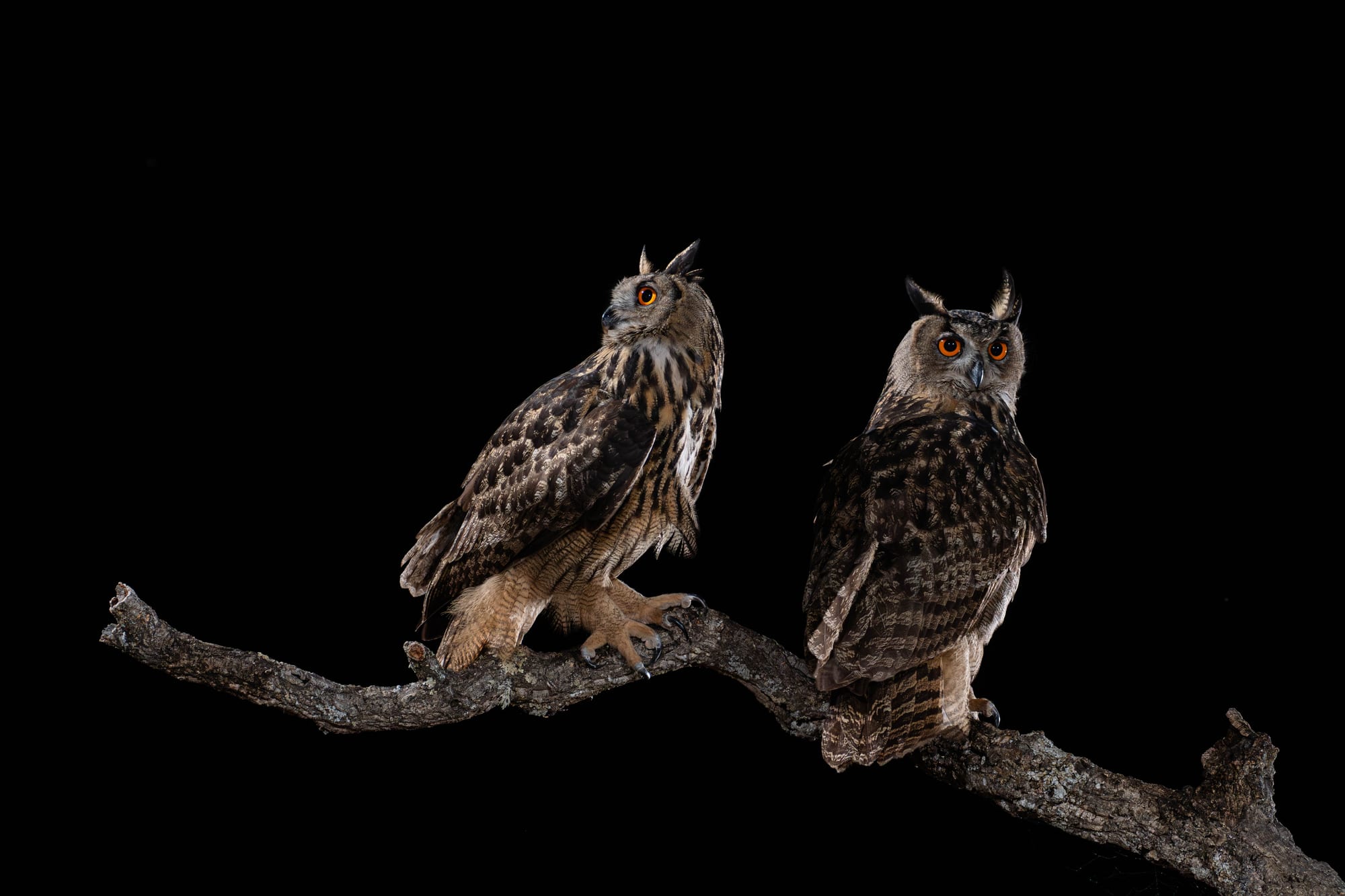
Bubo bubo
Start of breeding season
The world's largest owl begins its courtship in the depths of winter. Territorial calls echo through ravines and rocky outcrops at nightfall — one of the most powerful voices in Iberian wildlife.
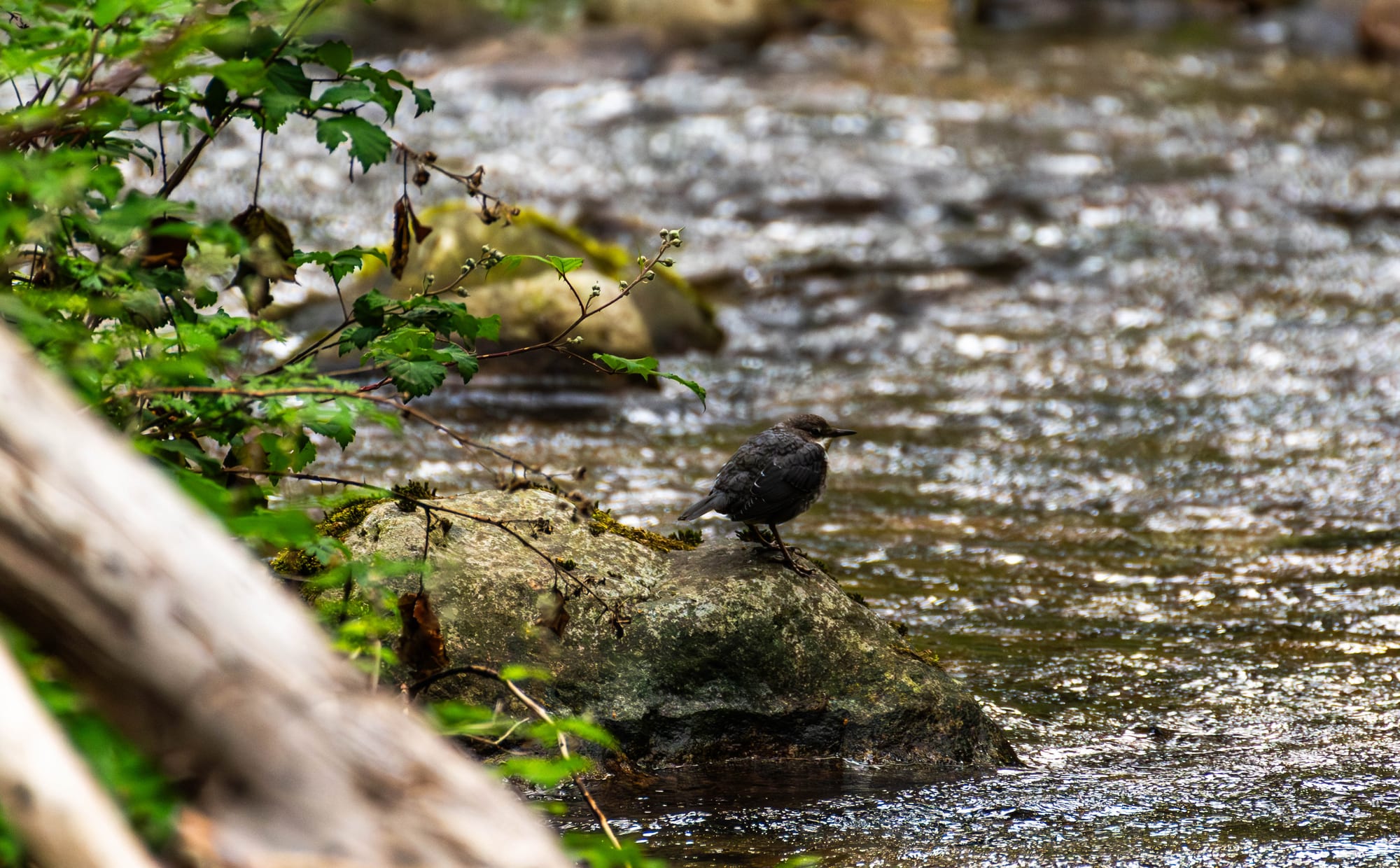
Cinclus cinclus
Peak activity
The only songbird capable of walking underwater. In winter it descends to lower river stretches where it is easier to observe perched on stones in the current.